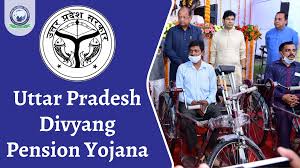
The Divyang Pension Scheme Uttar Pradesh is a crucial welfare initiative launched by the Government of Uttar Pradesh to provide financial assistance to persons with disabilities (Divyangjan). The scheme aims to ensure that individuals with disabilities can live with dignity, independence, and financial security.
As part of the broader Social Security Pension system in Uttar Pradesh, this scheme plays a vital role in supporting economically weaker disabled individuals. It is implemented by the Department of Empowerment of Persons with Disabilities and is integrated into the state’s pension framework.
In this detailed guide, we will explore every aspect of the scheme including eligibility, benefits, application process, documents required, and recent updates.
Overview of Divyang Pension Scheme Uttar Pradesh
The Divyang Pension Scheme is a state-sponsored financial assistance program designed for persons with disabilities who belong to economically weaker sections.
- Launched by: Government of Uttar Pradesh
- Department: Divyangjan Sashaktikaran Department
- Target Group: Persons with disabilities (Divyangjan)
- Type: Monthly pension scheme
The scheme is part of the larger Social Security Pension Yojana, which covers old age, widow, and disability pensions.
Objectives of the Scheme
The primary objectives of the Divyang Pension Scheme are:
1. Financial Support
To provide regular monthly financial assistance to disabled individuals.
2. Social Security
To ensure a basic standard of living for economically weaker sections.
3. Empowerment
To promote independence and dignity among persons with disabilities.
4. Poverty Reduction
To reduce financial hardships faced by disabled individuals.
Key Features of the Divyang Pension Scheme Uttar Pradesh Scheme
1. Monthly Pension
Eligible beneficiaries receive a fixed monthly pension directly into their bank accounts.
2. Direct Benefit Transfer (DBT)
The pension amount is transferred through DBT, ensuring transparency and timely payments.
3. State-Level Implementation
The scheme is implemented by the Uttar Pradesh government through district-level authorities.
4. Inclusive Coverage
Covers individuals with various types of disabilities.
Pension Amount and Financial Benefits
1. Monthly Pension Amount
Under the Divyang Pension Scheme Uttar Pradesh:
- Beneficiaries receive ₹1000 per month as pension
This amount is credited directly to the beneficiary’s bank account.
2. Budget Allocation and Expansion
The Uttar Pradesh government has increased focus on welfare programs:
- Significant budget allocation for Divyangjan welfare in 2026-27 state budget
This indicates potential future increases in pension benefits.
3. Additional Benefits
- Financial assistance for daily needs
- Support for medical expenses
- Improved standard of living
- Reduced dependency on family
Eligibility Criteria For Applying For Divyang Pension Scheme Uttar Pradesh
To apply for the Divyang Pension Scheme Uttar Pradesh, applicants must meet the following criteria:
1. Residency Requirement
- Must be a permanent resident of Uttar Pradesh
2. Age Limit
- Minimum age: 18 years
3. Disability Requirement
- Minimum 40% disability certified under relevant laws
4. Income Criteria
Applicants must belong to economically weaker sections:
- Rural income limit: ₹46,080 per year
- Urban income limit: ₹56,460 per year
5. Exclusion Criteria
Applicants are not eligible if:
- Receiving other government pension schemes
- Living in government-funded institutions
Types of Disabilities Covered
The scheme covers a wide range of disabilities, including:
- Physical disabilities
- Visual impairment
- Hearing impairment
- Intellectual disabilities
- Multiple disabilities
Eligibility is determined based on certification from a government medical authority.
Documents Required For Applying For Divyang Pension Scheme Uttar Pradesh
Applicants must submit the following documents:
- Aadhaar card
- Disability certificate (minimum 40%)
- Income certificate
- Domicile certificate
- Bank account details
- Passport-sized photograph
- Age proof
- BPL certificate (if applicable)
Proper documentation is essential for approval.
How To Apply for Divyang Pension Scheme Uttar Pradesh
The Divyang Pension Scheme Uttar Pradesh offers both online and offline application options.
Online Application Process
Applicants can apply through the official Social Security Pension portal of Uttar Pradesh.
Steps to Apply Online:
- Visit the official pension portal
- Select Divyang Pension Scheme
- Fill out the application form
- Upload required documents
- Submit the application
Offline Application Process
Applicants can also apply offline:
- Visit nearest:
- District Disability Welfare Office
- Jan Suvidha Kendra
- Lokvani Center
- Collect the application form
- Fill in details
- Attach documents
- Submit the application
Verification and Approval Process
After application submission:
- Documents are verified by local authorities
- Field verification may be conducted
- Final approval is granted by district officials
Once approved, the beneficiary is added to the pension list.
Payment Method
The pension is disbursed through:
- Direct Benefit Transfer (DBT)
- Bank accounts
This ensures transparency and eliminates delays.
Role of Social Security Pension System
The Divyang Pension Scheme is part of the broader Social Security Pension Scheme (SSPY) in Uttar Pradesh.
This system includes:
- Old Age Pension
- Widow Pension
- Disability Pension
Together, these schemes support over 1 crore beneficiaries in the state.
Impact of the Divyang Pension Scheme Uttar Pradesh
The Divyang Pension Scheme has had a significant impact:
1. Financial Stability
Provides a stable source of income for disabled individuals.
2. Improved Living Conditions
Helps beneficiaries meet daily expenses.
3. Social Inclusion
Encourages participation in society.
4. Empowerment
Promotes independence and dignity.
Challenges and Limitations
Despite its benefits, the scheme faces several challenges:
1. Low Pension Amount
₹1000 per month may not be sufficient due to rising inflation.
2. Awareness Issues
Many eligible individuals are unaware of the scheme.
3. Documentation Barriers
Obtaining disability certificates can be difficult.
4. Administrative Delays
Processing time may vary across districts.
Recent Updates and Developments
1. Increased Budget Allocation
The Uttar Pradesh government has increased funding for disability welfare in recent budgets.
2. Digital Transformation
- Increased use of online portals
- Faster DBT payments
3. Expansion of Coverage
Efforts are being made to include more beneficiaries.
Comparison with Other States
Compared to other states:
- Pension amount is moderate (₹1000/month)
- Eligibility criteria are relatively accessible
- DBT system ensures transparency
However, some states offer higher pension amounts, indicating scope for improvement.
Tips for a Successful Application
To increase your chances of approval:
- Ensure all documents are valid and complete
- Obtain a certified disability certificate
- Provide accurate income details
- Double-check the application form
- Track application status regularly
Conclusion:
The Divyang Pension Scheme Uttar Pradesh is a vital initiative aimed at providing financial support and social security to persons with disabilities. By offering monthly financial assistance, the scheme helps beneficiaries lead a dignified and independent life.
While the scheme has made significant progress in improving the lives of disabled individuals, there is still room for improvement in terms of pension amount and awareness.
With continued government support and policy enhancements, the scheme has the potential to become even more impactful in the coming years.
FAQs:
Q. Who can apply for Divyang Pension Scheme Uttar Pradesh?
A. Residents of Uttar Pradesh aged 18+ with at least 40% disability and meeting income criteria.
Q. What is the pension amount?
A. ₹1000 per month.
Q. Can I apply online?
A. Yes, through the official SSPY portal.
Q. Is there any age limit?
A. Minimum age is 18 years; no strict upper limit.
Q. Can I receive other pensions along with this?
A. No, beneficiaries cannot receive multiple government pensions.